We develop sophisticated Swarm Systems that enable the coordinated operation of multiple unmanned platforms, allowing for complex synchronized missions, enhanced coverage, and overwhelming force projection in various scenarios.
Specialization in Swarm Algorithms
Titra specializes in advanced technologies such as unmanned aerial systems and swarm algorithms, prioritizing R&D in this field to develop sophisticated Swarm Systems. Our focus is on creating intelligent, cooperative unmanned teams capable of executing synchronized actions and complex maneuvers, reflecting our commitment to innovative defense solutions.
Coordinated Unmanned Operations for Enhanced Capabilities
Swarm Systems involve the coordinated deployment and operation of multiple unmanned aerial vehicles acting together to achieve a common objective. This approach moves beyond the capabilities of individual platforms, enabling complex missions and creating synergistic effects that enhance effectiveness, resilience, and coverage in various operational scenarios.
The core of our Swarm Systems lies in advanced swarm algorithms that enable decentralized decision-making and coordination among individual platforms. Reliable communication protocols allow units to share information and synchronize actions without relying solely on a central command. This technological foundation ensures the swarm can operate effectively even in contested or communication-denied environments.
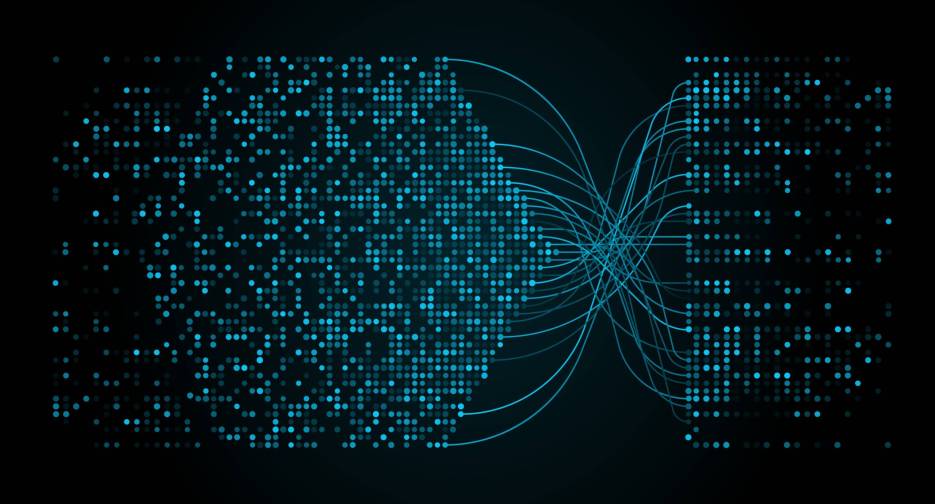
Key Principles and Advantages of Swarming:
Coordinated Action:
Multiple units work together intelligently to accomplish tasks more efficiently than individual systems.
Enhanced Coverage:
Swarms can cover larger areas or conduct more thorough surveillance and reconnaissance simultaneously.
Increased Resilience:
The loss of a single unit does not typically compromise the entire mission, as other units can adapt and continue.
Overwhelming Force Projection:
In engagement scenarios, a coordinated swarm can present multiple simultaneous threats, potentially overwhelming adversary defenses.
Complex Mission Execution:
Swarms enable missions that are too complex or risky for single platforms, such as coordinated electronic warfare or multi-point sensing.
Redundancy and Adaptation:
Units within the swarm can adapt to failures or changing conditions, maintaining mission effectiveness.
Applications
Swarm Systems offer transformative potential across numerous defense and security applications:
Coordinated Surveillance and Reconnaissance: Simultaneous mapping, monitoring, or search operations over vast or complex terrains
Electronic Warfare: Dispersed jamming or signal intelligence gathering from multiple vantage points.
Attack and Suppression of Enemy Air Defenses (SEAD): Coordinated strikes to saturate defenses or engage multiple targets simultaneously.
Decoy and Diversion: Creating false targets to distract or overwhelm enemy sensors.
Coordinated Delivery and Resupply: Simultaneous transportation of supplies to multiple locations.
Complex Inspection: Collaborative inspection of large structures or areas.
Strategic Advantages
Deploying Swarm Systems provides significant strategic advantages by enabling operations that were previously impossible or impractical. The ability to achieve coordinated effects with multiple unmanned units increases the speed, scale, and effectiveness of missions. Swarms can reduce risk to manned assets by performing dangerous tasks in contested environments. Their inherent resilience and adaptability ensure a higher probability of mission success compared to reliance on single, high-value platforms. As the future of unmanned operations evolves, Swarm Systems represent a critical capability for gaining and maintaining operational superiority.